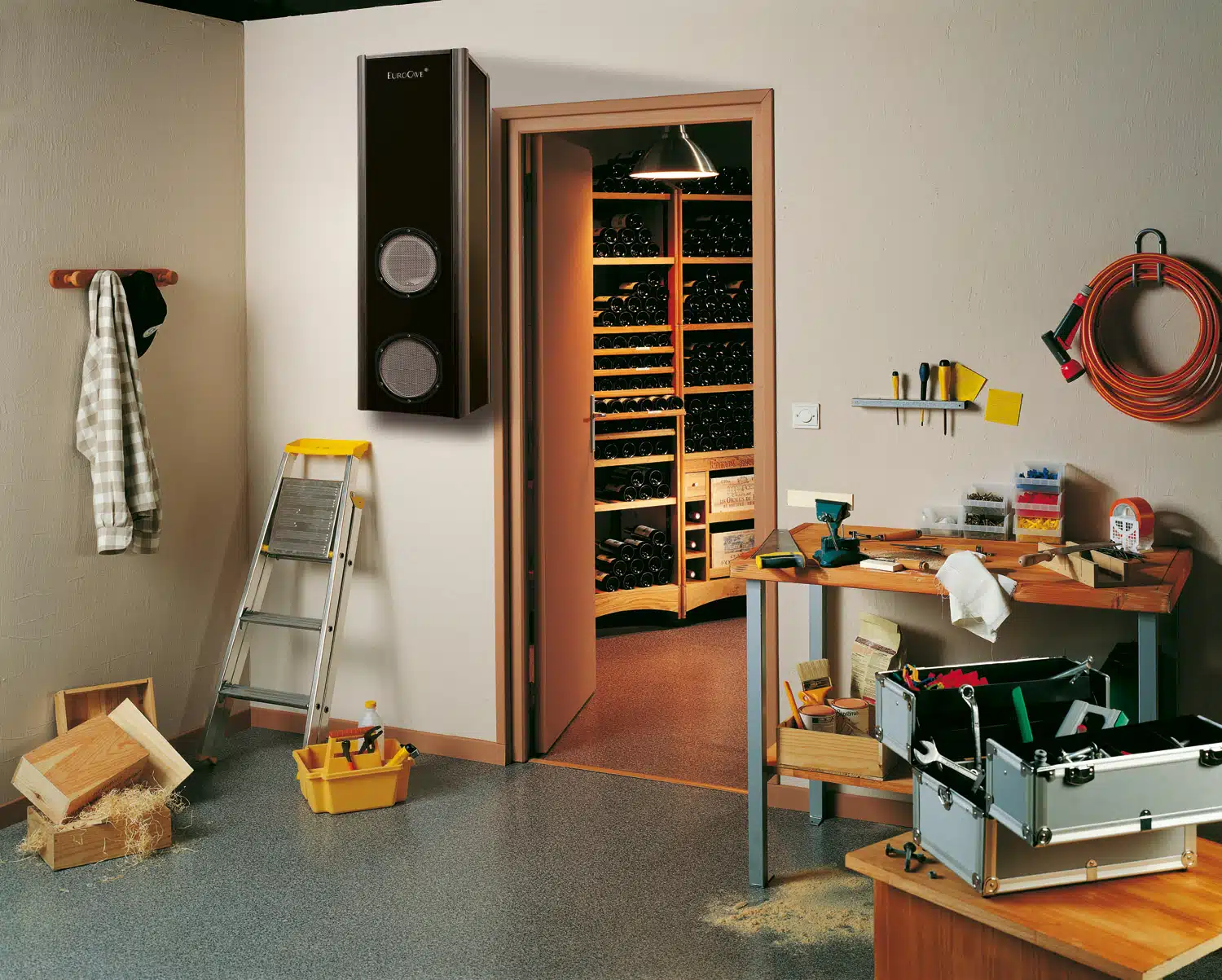
Earlier we wrote about direct investment in wine, that is; building your own wine cellar and buying exclusive wines to sell later for a higher price. You discovered which wines are suitable to invest in, how best to preserve your investment and when the wine is ready to sell. In this article we are going to cover what are the good vintages for an investment in wine and how to determine the value of "old" wine.
Valuing wine
When investing in wine, it is particularly important to select the right wine. You want to buy a bottle of wine that is worth a lot and will become worth even more. This depends on many factors. Not every 'old' wine is obviously worth a lot. However, the vintage is often an indication of expensive wine; if the wine comes from a good year, the wine is already worth more immediately. Factors that play a role in determining value are the grape, the sun, the soil and the process of making the wine. Let's take a closer look at the top years of various types of wine.
"Wine is sunlight, held together by water."
Galileo Galilei
Good vintages for Bordeaux wines
For those looking to invest in Bordeaux wines, it is useful to know that some of the top years for this wine are as follows: 1989, 1990, 2000, 2005, 2010 and 2015. By the way, Bordeaux wines from other years can be worth a lot too, but the wines from these good vintages are worth a little more by default.
Good vintages for Spanish wines
Spanish wines have had other top years, namely 1994, 2001 and 2004. Therefore, it is not easy to get Spanish wine from these years. If you manage to get hold of a Spanish wine from one of these top years, it is well worth investing in these Spanish wines.
Good vintages for burgundy wines
Are you planning to invest in burgundy wine? The best vintage years for bourgogne wine are 1990, 2005 and 2015. Wine experts know that bourgogne wine from 1990 and 2005 were the best years. Therefore, bottles from these vintage years are generally paid more for than bourgogne wine from other years.
How does the price for 'old' wine rise?
Investing in wine is similar to investing in oil, coffee or gold; these are some of the commodities that are often invested in. Wine is less sensitive to social and economic forces. That makes it more difficult for investors to predict changes in value.
Yet investing in wine is not substantially different from investing in stocks: you buy low and sell high. Investing in wine is also known as a "slow-burn" investment. If you use the right storage methods, it can even be called a safe investment.
"Age appears best in four things: old wood to burn, old wine to drink, old friends to trust and old authors to read."
Francis Bacon
There are several factors that influence the value of wine. Obviously, supply and demand is in effect. Wine is a true luxury product. Scarce wines with a good reputation will naturally have a higher price than cheaper wines. Wine merchants can cleverly capitalize on this by producing limited editions, such as the 2012 Screaming Eagle Sauvignon Blanc. Only 600 bottles of this at $250 each were produced. In short order, these wines traded for more than $2,000 a bottle.
The price of wine also largely depends on the vintage. Among other things, trouble-free harvests and wine that develops well after harvest score well.
It is often thought that old wine is by definition expensive wine. After all, wine aging and age are also crucial factors in the value of wine. A wine bottle with good aging potential will be worth more in the long run than one without potential.
Finally, of course, the economic climate also plays an important role in determining the value of wine. The economy in a particular country can influence the price of wine, just as the regional and global economy can. The price of wine is always a reflection of economic trends.
Investing in wine, something for you?
Hopefully, you now have a good understanding of great vintages and know how the value of wine is determined. If you’re interested in investing in wine, this knowledge is essential. If, as a wine enthusiast, you have a spacious wine cellar, it goes without saying that direct investment in wine is the most attractive option for you. If you don’t have a spacious wine cellar but do have a passion for wine and an interest in alternative investments, then indirect investment in wine may be of interest to you.
This is a guest article bydebeleggersgids.be. Here you can read clearly and understandably about the opportunities that investing can provide: in financial products, in real estate, alternative investments and other money matters. The Investor Guide provides information on different forms of investing with news, opinions, knowledge and inspiration with extensive articles.