We’ve all started drinking less and less wine. We’re buying less wine, but the wine we do buy is of increasingly higher quality. That in itself isn’t a bad thing at all. But if we view wine solely as alcohol, then in my opinion, something is going wrong. It has been proven that red wine contains beneficial compounds such as resveratrol (an antioxidant), polyphenols (compounds that help your body fight free radicals), and proanthocyanidins (compounds that are believed to protect the body against free radicals and heart disease and may offer protection against some forms of cancer). Tannin is a compound found in the skins of red grapes, as well as in the seeds and stems of the grapes.
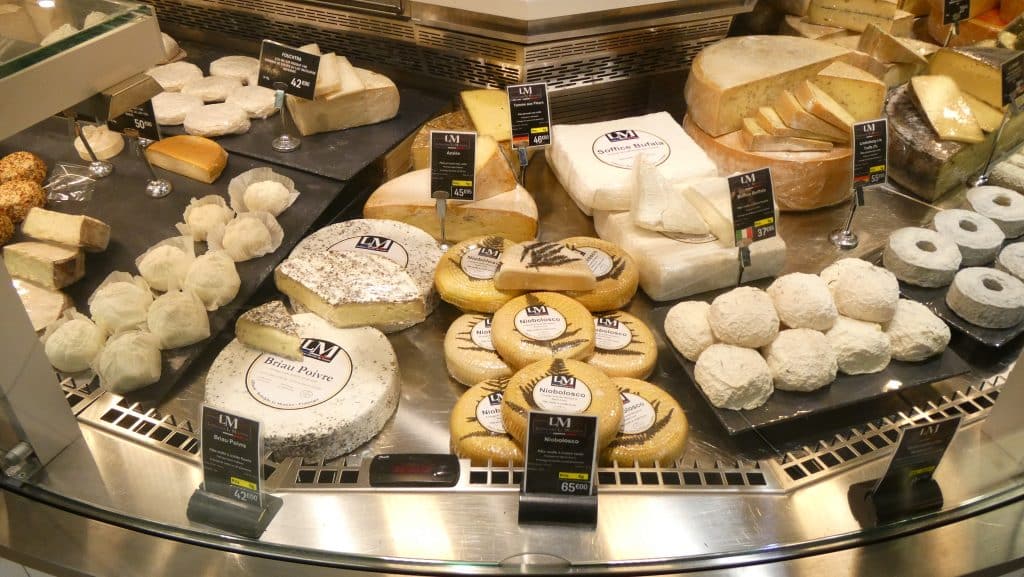
The tannins from the grape skins are the beneficial compounds in wine. Oak barrels can also release tannins into the wine. This often causes a dry sensation in your mouth. Tannins help extend the shelf life of red wine and protect your blood vessels. In addition, a large-scale study (conducted over 10 years) by the University of Iowa on Alzheimer’s disease suggested that red wine and cheese might help prevent Alzheimer’s. I received this detailed report via email from the University of Iowa and read it in its entirety. But don’t view wine as a miracle cure. It’s just not nearly as bad as people claim. After all, your health depends on so many other factors. But if you do drink, do so responsibly.
Because of the new anti-alcohol campaign, which also includes wine, I wrote an email to the Health Council of the Netherlands. My email was forwarded to the secretaries who, together with the committee, drafted the government’s alcohol policy. I should also mention that I wrote the email following the example of Hubrecht Duijker, the most well-known Dutch wine writer and connoisseur, who was so upset by the Health Council’s position. Hubrecht is also one of the people I greatly admire in my field and know personally. He was one of the first wine writers to introduce us to wine in the Netherlands. He was a pioneer.
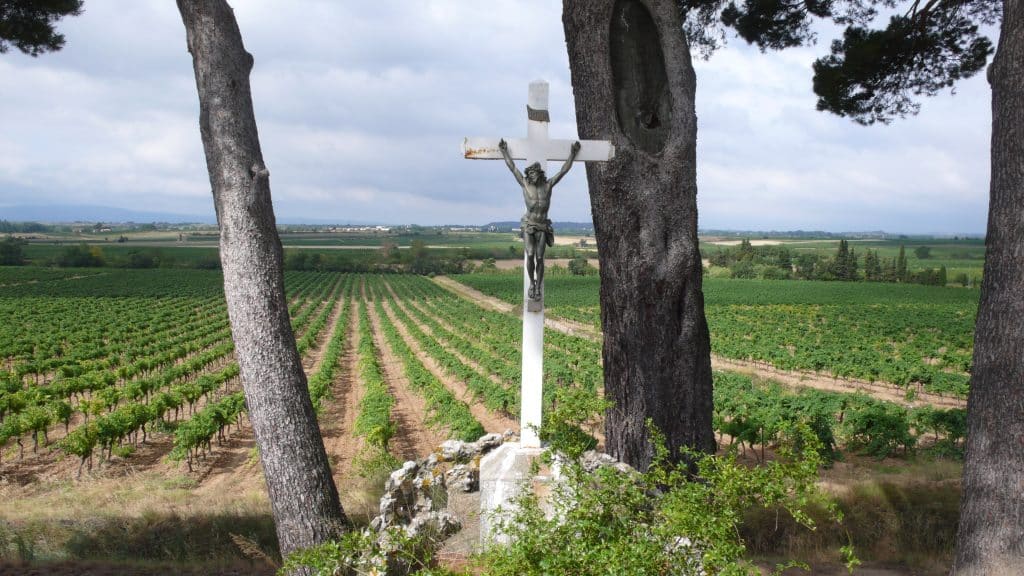
I grew up with wine. Both my parents and my grandparents owned a house for quite some time in the Minervois wine region in southern France (Languedoc-Roussillon, now Occitanie). Our hamlet was part of the well-known wine village of La Livinière. The Minervois also has a “Cru,” which means “vineyard.” It is the highest designation of origin for wine. In the Minervois, the term “Cru” is reserved exclusively for red wines of exceptional quality. The villages of Azillanet, Azille, Cesseras, Fauzan, Felines-Minervois, La Livinière, and Siran.
In the region, we had a number of friends who loved wine, knew a lot about it, owned vineyards (some still do), and were (or still are) members of a cooperative or own their own winery. Wine and homemade beverages were part of daily life and socializing; enjoying each other’s company at the table, talking about food, and even discussing the next meal was commonplace. The quality of a meal was also measured by the amount of time spent at the table. I once visited a restaurant in the South of France where you were served a new bottle of wine with every course. This restaurant also had its own winery.
But family gatherings and shared meals are becoming less common, and the generation for whom wine meant something is also shrinking. They would sometimes drink half a liter of chilled red wine before heading to work in the morning. Although I hardly ever see a Netflix series where people aren’t drinking some kind of alcoholic beverage. French wine connoisseur Bernard Burtschy, an expert on terroirs (vineyards and wine regions) from Alsace and a member of FIJEV (the International Federation of Wine and Spirit Journalists and Writers), advocates for bringing back a sense of conviviality and togetherness among people. That could also benefit wine consumption. In addition, there are still populations, including in India, where wine is not yet very well known.
French sommelier Philippe Faure-Brac, named the world’s best sommelier in 1992 in Rio de Janeiro, puts it beautifully: “Il ne faut pas boire pour oublier, mais goûter pour se souvenir.” Loosely translated, that means: “You shouldn’t drink to forget, but taste to cherish the memory.” I completely agree with him. As it happens, I’ve known him for quite some time. His bistro is located on Boulevard Haussmann in Paris. I’ve had the pleasure of tasting many unique wines at his establishment—not just French ones, but also wines from Portugal, Switzerland, and other wine-producing countries. Philippe is a one-of-a-kind figure in the world of wine.
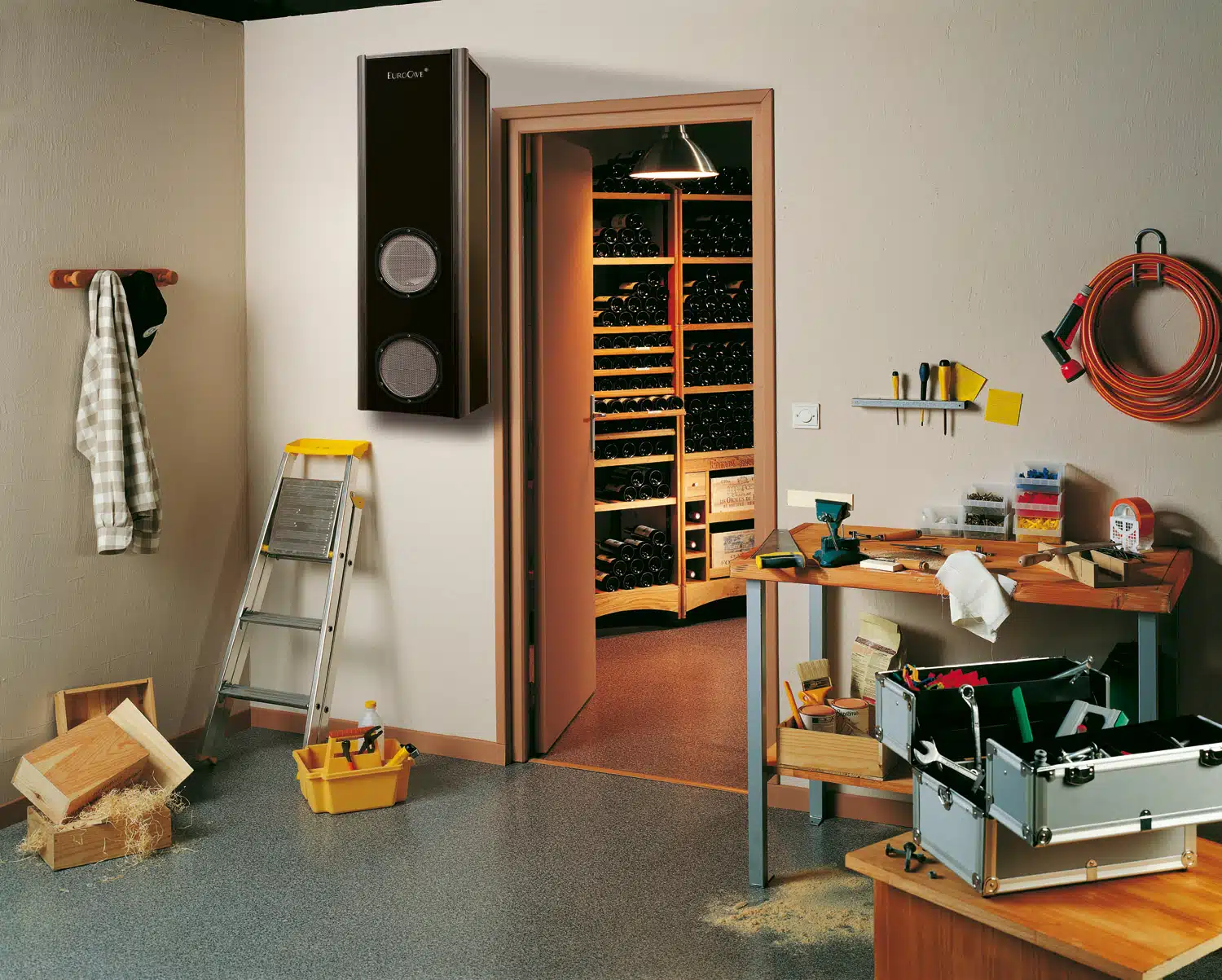
And even though people are drinking less wine, I do feel like there are more and more wineries popping up. In the Netherlands alone, more good ones are emerging. And what else would I put in my EuroCave wine cabinet?






This guest blog was written by Jiri William Penders
About Jiri William Penders
J.W. Penders Wine Import is a small wine company. They sell wines from France and Austria. All wines are tasted twice: at the winery itself and at home. Furthermore, Jiri William Penders
- Honorary citizen of the village of Pouzols-Minervois
- Ambassador of the wine guild Minervois
- Knight of the Mesnie (wine guild) du Fitou
- Member of the journalists' organization FIJEV (The International Federation of Wine and Spirits Journalists and Writers).