The demand for good wine is increasing, due in part to the increased demand from emerging economies such as China, Russia and Brazil. Investing in wine can therefore be very lucrative, but you need to know what you are doing.
As an epicurean, you obviously like a glass of wine from time to time and by now you are familiar with the entire Albert Heijn wine assortment. However, that is not enough: investing in wine is more than knowing that the wine from the Euroshopper is undrinkable. It is picking the right bottles at the right price. How do you start investing in wine and what do you need to consider? That is explained in this article.
Investing in wine
Investing in wine is essentially no different from any other form of investment. You ensure a balance between risk and return, which is determined by supply and demand. You can choose between indirect investment (you invest, for example, in a wine chateau or in a mutual fund that invests in wine) or direct investment (you invest in the wine itself). Since the latter appeals more to the imagination than the former (which, after all, looks like "normal" investing), this article is about direct investing in wine.
When investing in wine directly, you buy bottles of wine, hoping that after a few years they will have risen in price and you can make a nice return. The most important thing when investing in wine is which wine you purchase (you can't keep bad wine and won't make a return), but also important is how you store your bottles.
As with any form of investing, investing in wine is not something you should venture into unless you understand the product inside out. When investing in wine, it mainly comes down to great wine knowledge and knowledge of wine price trends. This article can help you get started investing in wine.
Which wine is suitable to invest in?
It is difficult to say which bottles of wine are suitable to invest in. A guarantee of a good choice can never be given: wine is still evolving in the bottle: what is a top wine now may have become better in ten years, but may also have become worse. Although there are no guarantees, there are some tips to look out for when buying your wine.
- Type of wine: More than 95% of wines are not suitable for long-term storage or investment. This includes almost all white wines and sparkling wines (champagne et cetera). Investing is mainly done in red wines;
- Wine region: You only want to invest in top wines such as Bordeaux and Barolo. By the way, you can open your wallet, because even now you will have to dig deep into your pockets for these wines;
- Wine house: Not every Bordeaux or Barolo is suitable for investing in, by the way; you can also go wrong with a wine investment here;
- Vintage: The information about the vintages of the wine you have in mind is very important. It may well be that a particular Bordeaux from 2002 is excellent, while the same wine in 2003 is a lot less good.
- Age: Older bottles are often more expensive than younger ones. This only applies when the bottles are ready or not yet ready for drinking. Wine that is kept too long deteriorates in quality as well as in price;
- Supply and demand: Supply and demand are of course very important: if there are few bottles bottled in a particular year, this affects the supply and thus the price of wine;
- Expert opinion: The opinion of the experts determines the price of a particular wine. Robert Parker in particular is held in high regard. If he says that a wine is very good, this translates into high prices;
- Fake wines: Buy your wine only from authorized wine merchants. Since your wine is already heavily priced when you buy it, it is interesting for scammers to upgrade a Lidl or Aldi wine to a respected Bordeaux. When an offer is too good to be true, it usually is. Be careful and know that there are people less honest than you.
In short, it can be said that you must have considerable wine knowledge in order to invest successfully in wine. So that goes beyond the occasional bottle to go with your spaghetti bolognese. Do your homework well or be left with a hangover.
Always good with investing in expensive bottles of the best wine?
As you can read above, you should therefore not have the bottle Euroshopper, but only very good bottles of wine are suitable to invest in. Does that mean that you are always right to buy expensive bottles of wine?
The answer is negative: no matter how good the wine, you can always overpay. Investing in wine is all about returns. That return is much easier to achieve when you pay a good price for the bottle.
Again, do your own research into which wine is suitable to invest in and what a realistic price is. Top wines will be expensive, but you must take into account that the price also includes room for your own return.
Saving your investment
When you start investing in wine and you have purchased the perfect bottles, you will need to keep your investment well. If you don't, you will be left with very expensive wine that is unsalable. Fine as a gift to your mother-in-law but not good when you are going to invest in wine. The storage tips:
- Bottles should be lying down. This looks most impressive when showing your collection to your friends and ensures that the cork does not dry up and the bottle does not leak;
- No strong-smelling products with your investment. Garlic-flavored wine has never caught on with the general public, as has wine in which you taste the fresh aftertaste of your all-purpose cleaner;
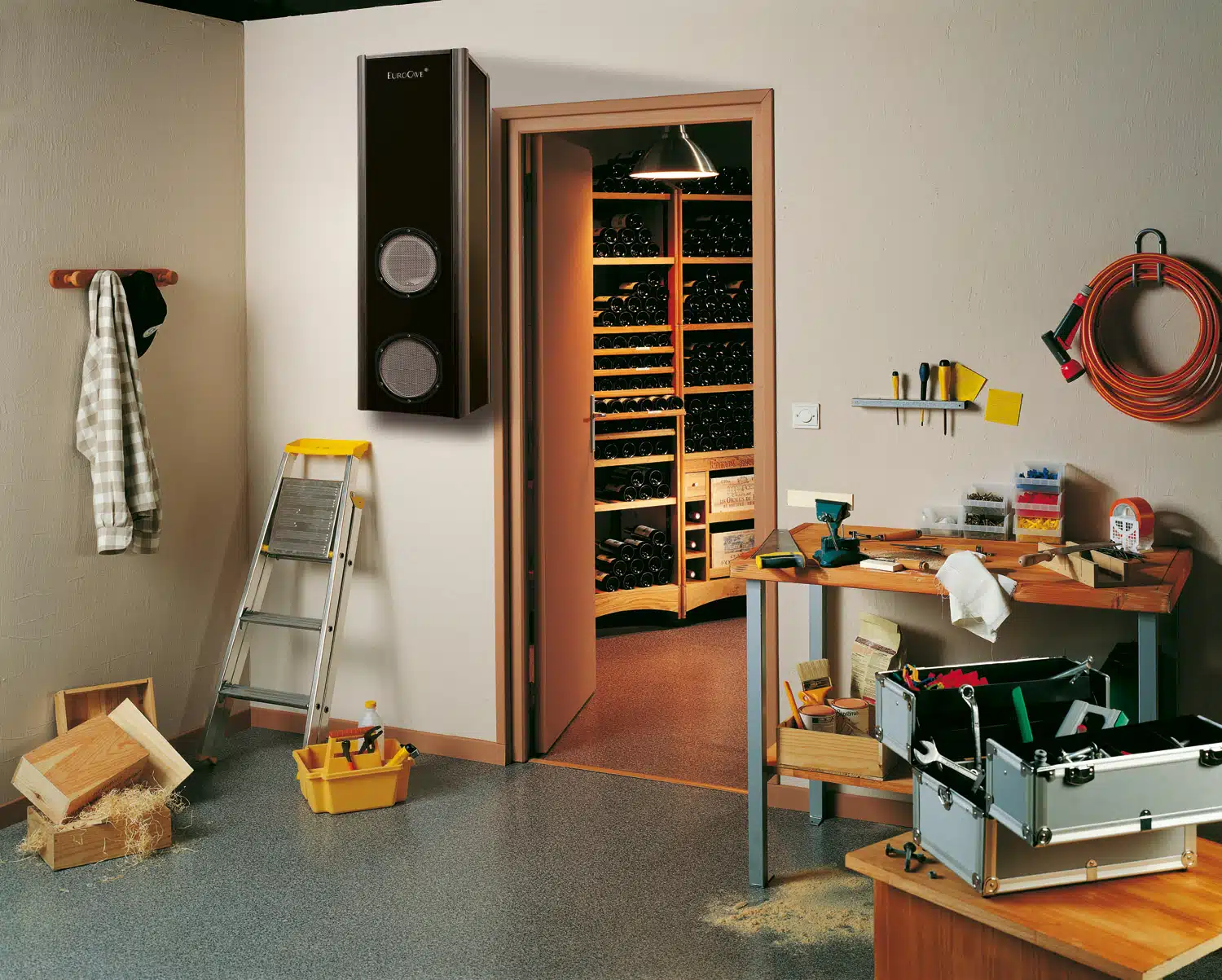
- A dark, cool place. Unfortunately, few nowadays have a cellar built because it is very expensive. Yet that is the best place to keep your wines when you start investing in wine;
- A vibration-free place. Wine does not like vibration, so do not put your washing machine near your wine collection. If you live next to the highway, there's nothing to do but move;
- Humidity level. Your cellar should have sufficient humidity to ensure that the corks of your wines do not dry out;
- Ventilation is important when investing in wine. Ventilation is different from a draft: a draft will make you ill and it will make your wine ill. The problem here is that you will recover but your wine will be damaged beyond repair;
- A lock on the door. You don’t want your partner to decide, along with friends, to make the evening even more enjoyable with a few bottles from your private collection. We’ve also heard a story about a cleaning lady who was an alcoholic and who had access to a wine enthusiast’s cellar. Since he only went down to his cellar a few times a year, he was very surprised when he saw what had happened. When you’re investing in wine, that’s pretty much the worst thing that can happen to you.
In short: once you've found the perfect wine to invest in, you'll also want to store it perfectly to get the maximum return. For wine cabinets, take a look at the wine cabinet overview page and for wine racks, take a look at the wine rack overview page.
When is the wine sale ready?
Wine continues to develop in the bottle, so you cannot keep your wine forever. This is also the difference between investing in wine and investing in whiskey, where there is no chance that the investment asset will "turn over. Whisky no longer develops in the bottle, making a bottle from 1900 perfectly drinkable. A bottle of wine from 1900 may have nostalgic value, but is probably no longer really tasty (and thus less valuable).
So when investing in wine, you need to keep in mind that at a certain point, wine is 'drunk'. After that, the wine only gets worse, making your top wine a 'Chateau Migraine' at worst. At the time when the wine is at its optimum, you should sell it.
You need to keep a close eye on your investment. You do this by opening a bottle from time to time or by relying on the opinions of wine experts. If you decide to consume a bottle every now and then (which, of course, is nice), then you will have to purchase several bottles of each wine. Of course, opening a bottle does directly affect the return, but you can possibly think of it as a "dividend payment.
The return when investing in wine
When talking about the returns when investing in wine, it often seems huge. At parties, you may hear investors in wine talk about the wine they bought in 1990 for (converted) 150 euros per bottle and sold in 2013 for 300 euros per bottle. Since they had bought 20 bottles, that's a nice return of 3000 euros!
Realize that a return of 3000 euros means nothing without comparing it with common ways of investing. After all, when you calculate back, you will see that a return of 3000 euros is about 3% per year in returns.
If you had put the money in a savings account, you would have had far fewer worries, far less risk (unless you are in an unstable bank and the bank collapses), no transaction costs AND you would have made the same return. Since index investing has averaged a 6.7% return per year since the AEX opened, investing in a fund that tracks the AEX would have given you not 3,000, but 10,000 euros.
You see: a return made by investing in wine should not only be positive, but should also beat comparable investment methods (which are easier, have less risk or yield more return). Only then is investing in wine a good idea. Unfortunately, you can only estimate this beforehand and only know for certain afterwards.
And what if everything goes against you?
When you decide to start investing in wine as a result of this article, you will be taking a risk. Risk of not doing your research properly and buying the wrong wine, risk of buying the right wine at too high a price and risk of the wine market collapsing. If that happens, you will be stuck with several expensive bottles of wine. Still, all hope is not then overboard. You then have three options.
The sensible, but boring option, is to hold on to the bottles and wait until a more favorable time to sell. After all, that is the idea of investing; you are doing it for the long(er) term.
Option two is to sell the bottles at a loss. A good bottle of wine never becomes completely worthless, so it is still best to get rid of your investment.
The last option is the most fun: you open your bottles and drown your disappointment. Wine is primarily made for drinking, not for investing. If you have done your homework properly when you start investing in wine, you will at least have some great bottles on hand and wonderful evenings await you.
Source: https://www.feec.nl