Most wines that are sold are made to be drunk immediately without the need for aging. Some wine enthusiasts, however, prefer to "lay down wine" - that is, keep the wine for a few years (let it age) until it is ready to drink.
So what happens as a wine ages? And how do the aromas develop? Which wines need to age? And above all, why do we let wines age? Here you can read everything you need to know.
What happens to the zeal of wine as it ages?
When wines are young, we taste their primary flavors, such as grass in Sauvignon Blanc, plum in Merlot, apricot in Viognier or citrus in Riesling. We may also notice some secondary flavors related to winemaking techniques, such as the vanilla flavor of oak or buttery nuances of malolactic fermentation (is a process in wine making that converts malic acid (malum is Latin for apple) into lactic acid (lac is Latin for milk) and carbon dioxide).
When wines age, we discover tertiary notes or flavors that come from development. This can mean young, bold flavors of fresh fruit that gradually become more subdued and reminiscent of dried fruit. Other flavors, previously hidden by primary notes, emerge, such as honey, spicy notes, hay, mushrooms, stone and earth.
What causes these changes?
Nothing in wine is ever static. Acids and alcohol react to form new compounds. Other compounds may dissolve, only to combine in another way. These processes happen constantly and at different speeds. Each time you open a bottle, you taste the wine at a different stage of its development, with new and different nuances. While the proportion of alcohol, acids and sugars remains the same, the flavors keep changing.
How texture develops in wine
Wines also change in texture. Dry, aged white wines can become almost syrupy and oily, while red wines feel softer. This is because phenolic compounds such as tannins form sediment (sediment) over time.
In a young wine, these compounds repel each other and remain small enough to linger in the wine. As the wine ages, they lose their charge and begin to combine, forming chains and becoming larger and heavier. This reduces the surface area of the tannins, making them rounder and softer tasting.
Once these compound compounds become too large, you see them as sediment in the wine. Some red wines have a lot of sediment, others almost none.
How color changes with age
One of the most visible processes in the development of a wine is slow oxidation. Color is the most obvious indicator of this.
As white wines age, they often evolve from pale lemon or golden colors to amber and even brown. Vibrant salmon-colored rosés can take on shades of onion as they age. As reds develop, oxidation often moves them from the purple end of the spectrum to tan or brown hues.
While young reds can be opaque when held against a white background, mature reds often show a lighter color at the edges.

Wine ageing by color
The degree of oxidation depends on the amount of air left in the neck of the bottle after it is sealed, and how good the closure is. Traditionally, natural cork has minimal oxygen exchange, which is why most wines considered valuable are still bottled under cork. However, because cork is a natural product, there is no such thing as uniformity. This can cause significant variations in the same bottles of wine.

Which ones to drink now and which ones to lay down?
Which wines can age?
It is often assumed that only the best, most expensive wines can age, but any well-made wine has a good chance to develop.
Entry-level wines from good wineries can easily age for three to five years, unless they are made for primary, aromatic flavors like an easy Moscato. Wines with real flavor concentration, with a good balance of alcohol, acidity and texture, can age well.
But some wines are specially made for long-term aging, such as highly extracted reds with bold tannins that need some time to soften. You will find these in the delicious wines of classic European and New World regions.
White wines that can especially benefit from aging include Riesling, Sémillon, Chenin Blanc, Furmint, white Bordeaux-style blends, white oak-aged Rioja, oak-aged Sauvignon Blanc and good Chardonnay. Some Albariño, Garganega and other lesser-known regional grapes can also age well.
Flavors as the wine ages
Cabernet Sauvignon and Merlot: Dried tobacco leaf, cigar boxPinot noir: fallen leaves, earth, undergrowthSyrah: Smoky meat, violetsNebbiolo and Sangiovese: sour cherry, roseRiesling and Chenin Blanc: chamomile tincture
Well-made red wines age fantastically, even for as little as three to five years. It is often surprising how well they can retain their freshness. Some countries have legally defined terms for wines that have aged before sale. Such as Reserva and Gran Reserva (Spain), Riserva (Italy) and Garrafeira and Reserva (Portugal). These wines already have a certain bottle age, but they can be kept further.
Some very high-quality rosés can also age, although the vast majority are made for immediate consumption.
Quality sparkling wines, especially those made with traditional bottle fermentation, can also age. This includes both white and rosé sparkling wines. If they are still on their lees (yeast residue from secondary fermentation) in the producer's cellar, they can age for decades.
Once the yeast residue is removed from sparkling wines, however, they can still age well. In fact, very young sparkling wines often benefit from this for another year or two. With many years of bottle aging, the mousse or foam you get when you pour a glass becomes softer.
Fortified wines are generally sold when they are ready to drink. Because of their high alcohol content, they are better protected against the ravages of time than unfortified wines. A good example is Madeira, which can age effortlessly for decades. Two fortified wines that prove exceptions are fino and Manzanilla Sherry, which should be drunk young.
Very sweet wines, with their high sugar concentration, also age tremendously well. The sugar acts as a preservative even when the alcohol is low.
How should wines be stored for aging?
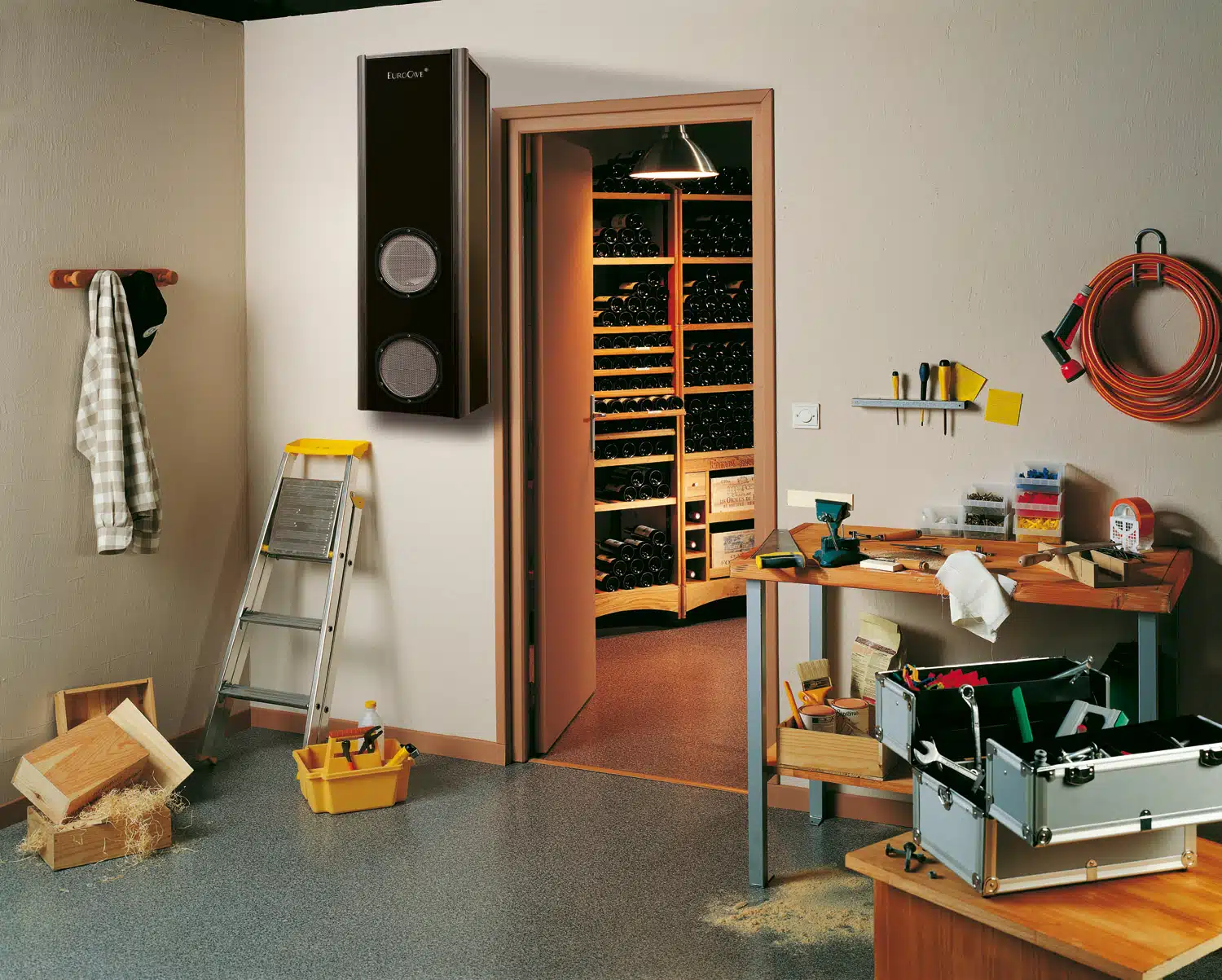
Bottles destined for aging need dark and cool storage at about 12° C. The temperature must remain constant to allow slow, even aging. Higher temperatures accelerate the rate of chemical reactions in a wine, which can be detrimental to its structure, causing fruit flavors to taste mushy and baked. Darkness is also important, as ultraviolet rays in light can spoil wine.

Wine cellar dreams
How do I know if an older wine is still good to drink?
Bring the wine to the right drinking temperature, open it, pour, roll and smell. If it smells good, taste a little. If you like it, it's good to drink.
Red wines with sediment, should be stood upright 24 hours before opening to allow the sediment to settle. These wines may also benefit from (gentle) decanting.

When is long, too long?
Why do wines age?
Some wines need time to reveal their true nature. While soft tannins are one way age is expressed, tertiary notes also tend to be more complex and rewarding than younger, more one-dimensional primary fruit notes.
Once age makes the fruit flavors disappear, a magical new world of flavor opens up. Cabernet Sauvignon and Merlot are reminiscent of dried tobacco leaf and cigar boxes. Syrah develops smoky, visceral notes of cured meats and violets. Nebbiolo and Sangiovese become intoxicating with elevated notes of sour cherry and rose. Riesling and Chenin Blancs can resemble chamomile tincture, while Pinot Noir has an aura of falling leaves and earth.
These are all acquired flavors, far removed from the initial taste of youthful fruit. But these are precisely what many wine enthusiasts specifically seek. Even after years, you can feel the restraint of a cool season or the dry heat of a hot summer in these wines. At the height of their development, mature wines speak eloquently of time and place. Tasting historic wines that have endured decades and even centuries is an extraordinary experience.
Source: Anne Krebiehl MW / @WineEnthusiast / Photos by Getty