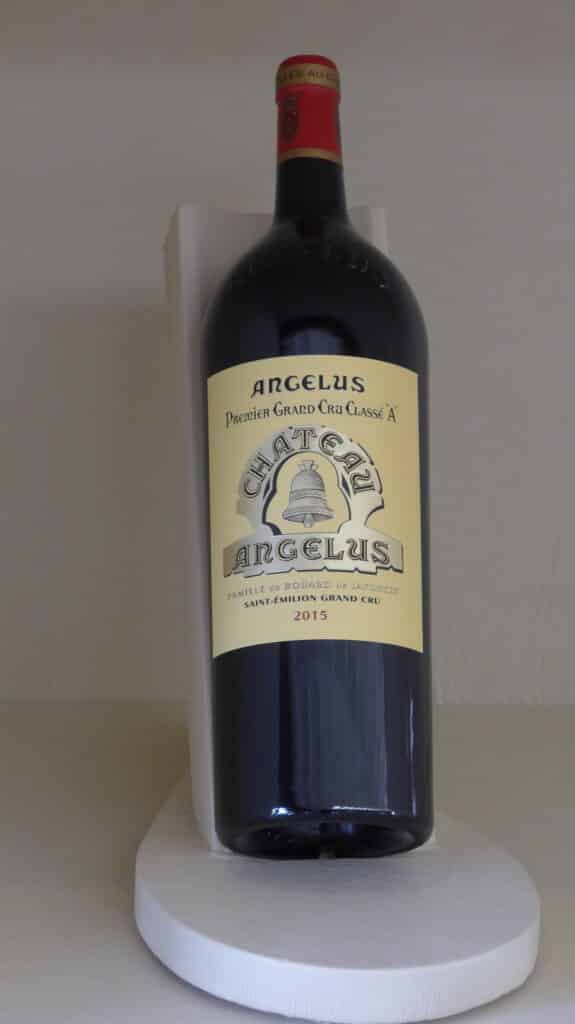
People's tastes change, opinions change (sometimes often wrongly) and climate change does not always help when it comes to wine. As I often experience, taste can also be related to a region where certain wines come from; such as Bordeaux, Burgundy or Champagne. By this I mean to say that a familiar name of a winery or region already works wonders; Chateau Mouton Rothschild, Chateau Angélus, champagne Moët & Chandon, champagne Bollinger etc.
To give an example..... Recently I was at a champagne tasting in Amsterdam. The place was just too crowded. I can safely say it was because of the name "Champagne. In every well-known wine region you have good and certainly mediocre wines. The Champagne region is no exception, although people often think so. The quality of a wine depends in part on the vintage it comes from; 2015, 2016, 2019, 2020 and 2022 are more than excellent vintages.
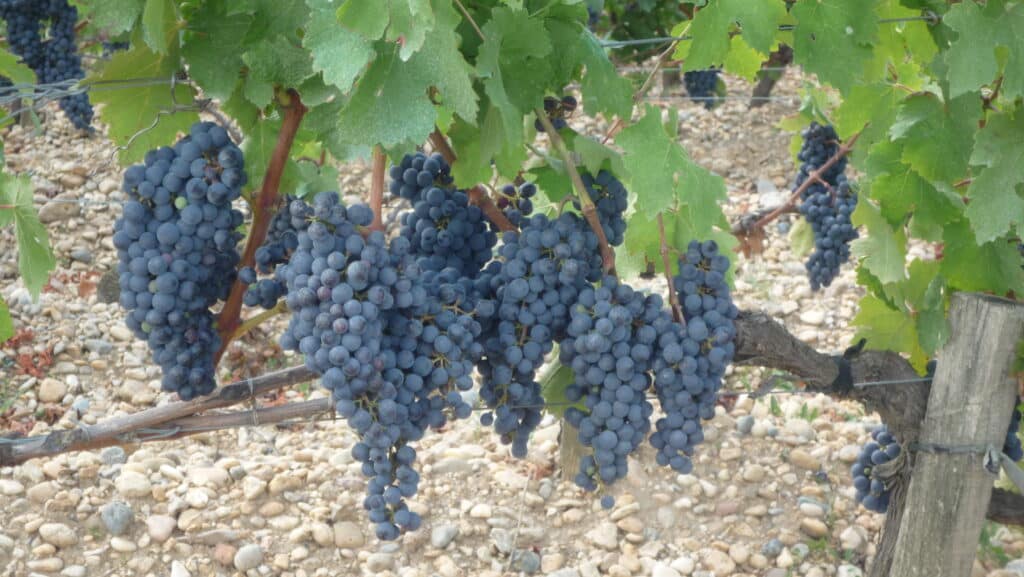
What I mean by changing opinions is that we now often think that alcohol is bad for us. Yes, there is alcohol in wine and spirits. But there are also good substances in wine such as Polyphenols, a group of antioxidants, which can protect the body from diseases thanks to their anti-inflammatory effect, Resveratrol, an important antioxidant (mainly in the skin of blue grapes) that contributes to cardiovascular health, and tannin (in the skins and seeds of grapes) which has antioxidant properties and contributes to cardiovascular protection. What people don't know is that wine also contains minerals such as potassium, calcium, iron and magnesium. It remains a tricky story. Besides, not everyone eats equally healthy and, unfortunately, not all of us live in healthy habitats. But everything in moderation.
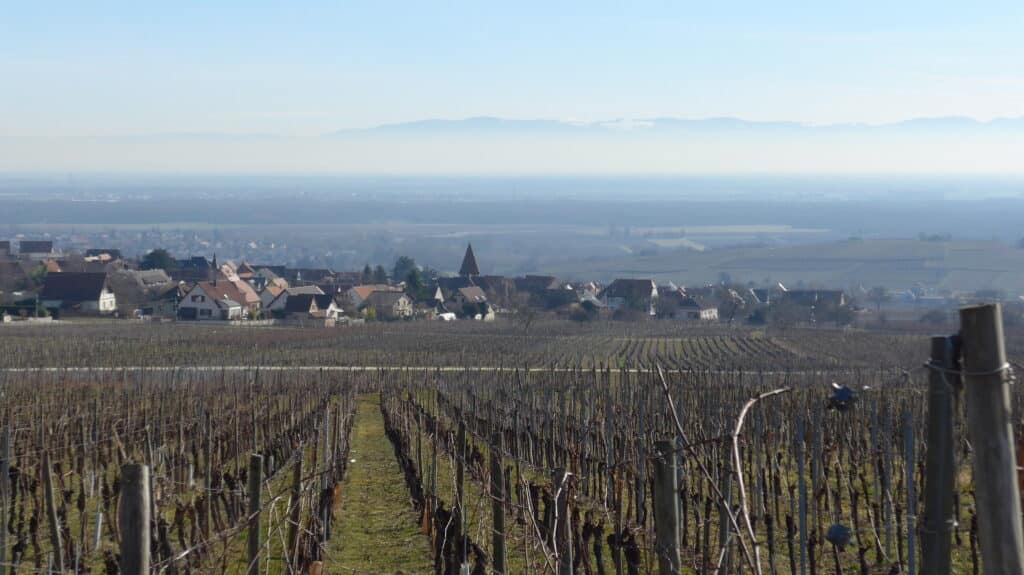
And people's tastes change every so often. The trend right now is that young people between the ages of 20 and 30 have started drinking more Alsace wines. At one of the biggest wine fairs in Europe, Wine Paris, I got to taste excellent Alsace wines this year. They are often wines made from a single grape variety; Silvaner, Pinot Blanc, Pinot Gris, Pinot Noir (red grape), Muscat, Riesling and Gewürztraminer. Many organic and biodynamic wines come from there. Wines from Burgundy are also on the rise. They are mainly made from the grape varieties Chardonnay (white) and Pinot Noir (red). The wines from this area are just getting increasingly expensive. In contrast, the Bordeaux region is struggling. Well, it is for me one of the most beautiful wine regions of France but perhaps not always the most accessible wine region; also due to the fact that the area is quite vast and you have to drive on small roads to get to your destination.
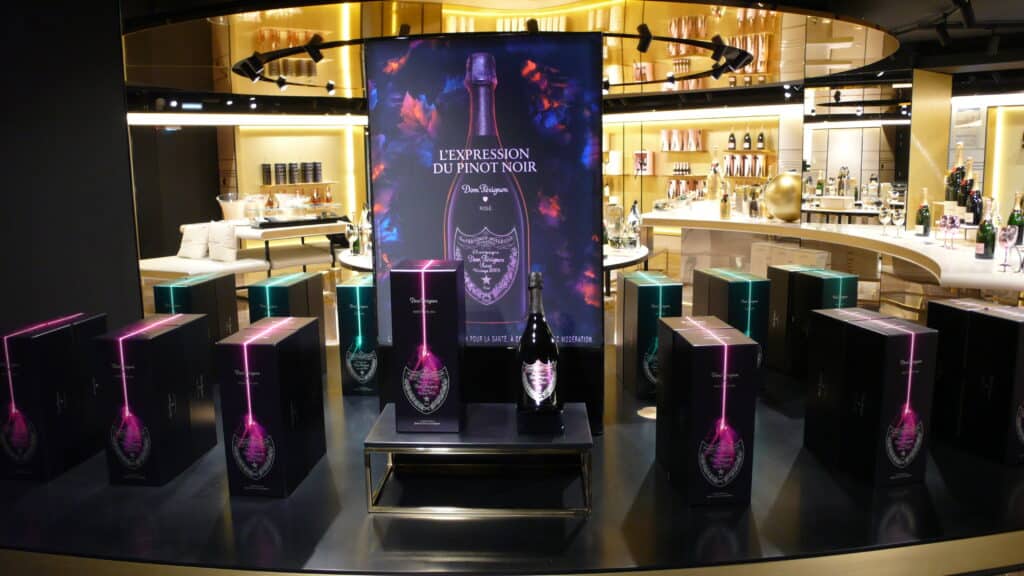
The Dutch are among the top three European tourists visiting the Champagne region. Reims and Epernay continue to capture the imagination. The Champagne region is also a quiet region with fantastic champagne houses; from small to large. As in Burgundy, champagnes are also becoming increasingly expensive. Therefore, people are increasingly looking for alternative sparkling wines such as crémant d'Alsace or or the Italian Prosecco. This is understandable but the way a champagne is produced cannot be compared to any other sparkling wine! Once you have been to the Champagne region you will also understand why I say that.
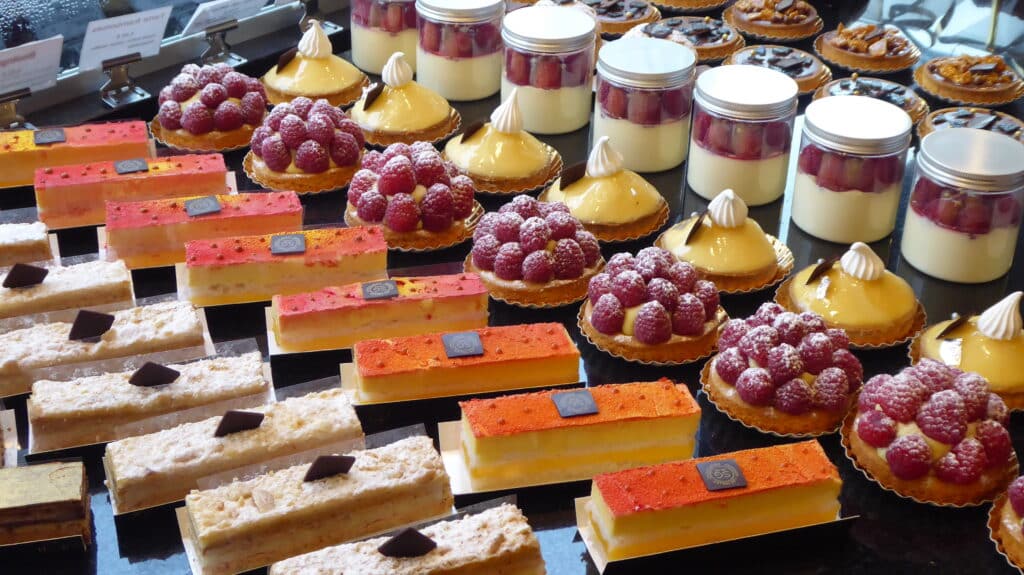
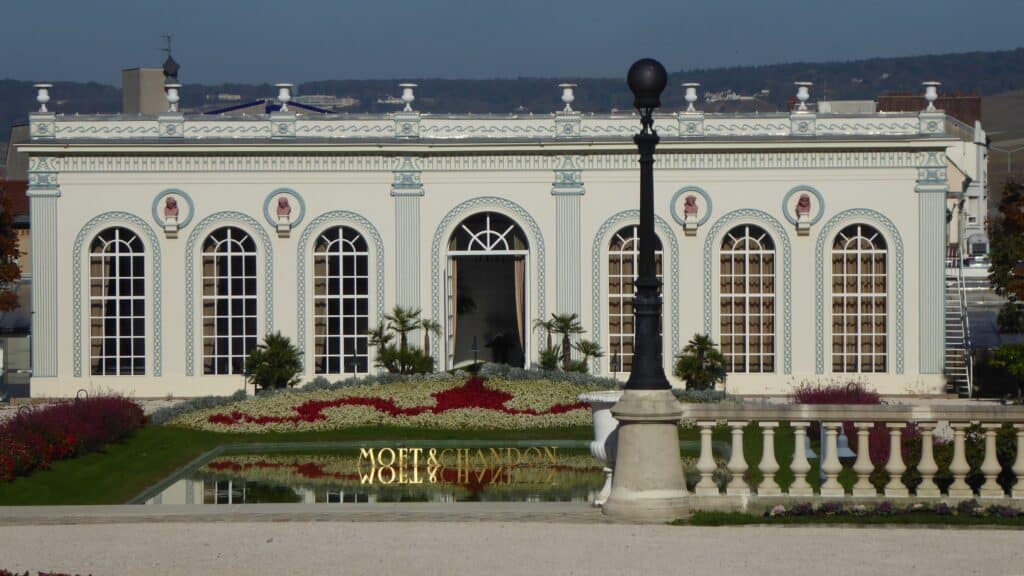
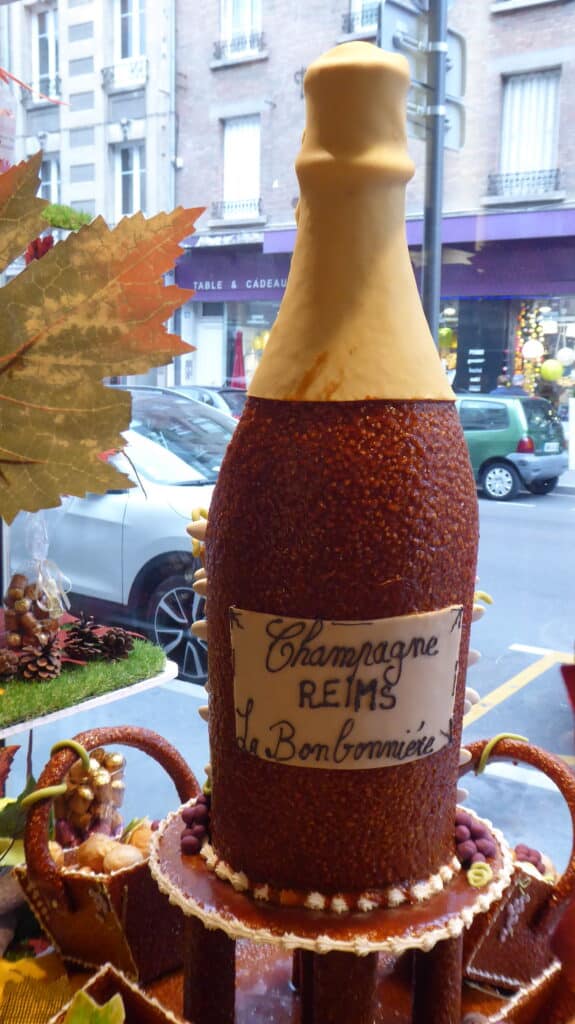
And if you look around carefully you can also find special pastry stores, delis and restaurants. I come from the days when you could get a good glass of champagne for about €6 in Reims and in Epernay. The Avenue de Champagne was recognized as a cultural heritage site by Unesco in 2015. And that, in my opinion, is entirely justified. It is an incredibly luxurious avenue/venue. One of the most famous champagne houses "Moët & Chandon" is located on it. They have one of the finest showrooms/shops I know of in the region, as far as I am concerned.
Finally, it is clear that certain grapes such as Gewürztraminer (Alsace), Chardonnay (Burgundy and Champagne, among others) Sauvignon Blanc (Loire and Bordeaux, among others), Merlot(Bordeaux) and Pinot Noir (Burgundy and Champagne, among others), Sangiovese (Chianti) and Tempranillo (Rioja, among others) are suffering from climate change. In fact, these grapes benefit from a cooler climate. Because it is getting warmer, you can now also find the grape variety Viognier (for white wine) in Limburg. The grape variety is best known in the Rhône region and Languedoc-Roussillon (the warmer areas of France). Grape varieties that do not suffer from higher temperatures are Petit Verdot, Cabernet Sauvignon and Cabernet Franc, and Malbec. Wine making remains a tricky business if you continue to depend on mandating the use of certain grape varieties in wine regions and on the vagaries of the weather.
This guest blog was written by Jiri William Penders
About Jiri William Penders
J.W. Penders Wine Import is a small wine company. They sell wines from France and Austria. All wines are tasted twice: at the winery itself and at home. Furthermore, Jiri William Penders
- Honorary citizen of the village of Pouzols-Minervois
- Ambassador of the wine guild Minervois
- Knight of the Mesnie (wine guild) du Fitou
- Member of the journalists' organization FIJEV (The International Federation of Wine and Spirits Journalists and Writers).