What is the shelf life of wine? A frequently asked question, to which really only the wine producer and supplier can give a good answer. After all, there are so many factors that determine the shelf life of wine; wine country, grapes, vintage, red wine, white wine, etc. Below we provide some guidelines for the shelf life of wine.
Shelf life of wine in general
The vast majority of wines produced, as much as 90%, are wines that are not meant to be kept for a long time. These wines should preferably be drunk within a year, but at the latest within 3 years. The shelf life of wine is partly determined by harvesting the grapes as late as possible, the winemaking process and the method used to make the wine. Wine regions that produce many storage wines are France's Bordeaux, Burgundy, Rhône, Chablis and Sauternes. Top wines from Italy, Germany, California and Australia are also great for storing.
Shelf life of red wine
Among the grapes that qualify for longer storage are: Cabernet Sauvignon, Merlot (or a combination), Pinot Noir and Syrah.We divide the shelf life of red wine into 3 groups:
- Simple red: drink within 2 years. This type of wine does not improve the longer you keep it.
- Great reds and precious reds: this type of wine has what is known as a storage potential. The degree of potential is determined by the vintage.
- Bordeaux and Burgundy: are very rewarding to keep and grow in the bottle. The degree of growth is determined by the vintage.
You see, shelf life of red wine cannot be said unequivocally and depends very much on a range of factors.
Shelf life of white wine
Among the grapes that qualify for longer storage are: Chardonnay, Riesling, Sémillon. We divide the shelf life of white wine into 2 groups:
- Simple white: drink within 2 years. Simple white, the longer you keep it, loses its freshness.
- Great white and precious white: this type of wine has a longer shelf life and does not always have to be drunk within 2 years.
Generally we can say that the shelf life of white wine, is shorter than the shelf life of red wine, but of course there are many exceptions here as well.
Stability of rosé wine
Rosé wines are not made to keep for a long time. The shelf life of rosé wines is up to one year, so preferably drink within a year. This type of wine definitely does not get better the longer you keep it.
Shelf life of champagne and sparkling wine
Sparkling wines are generally made to be drunk within a year. They most closely resemble the shelf life of white wine in terms of storage behavior. Champagnes can be kept longer and can still develop well in the bottle. However, do not store them too long; these too have an expiration date.
Shelf life of sweet wine
The sweeter wines can generally be kept longer, up to about 10 years. But beware: even these include wines that really should be drunk earlier.
Shelf life of opened wine
Once a bottle of wine is opened, it should preferably be drunk the same day. This is because as the wine comes in contact with much more oxygen than is good for it, it will oxidize very quickly.
Wine storage
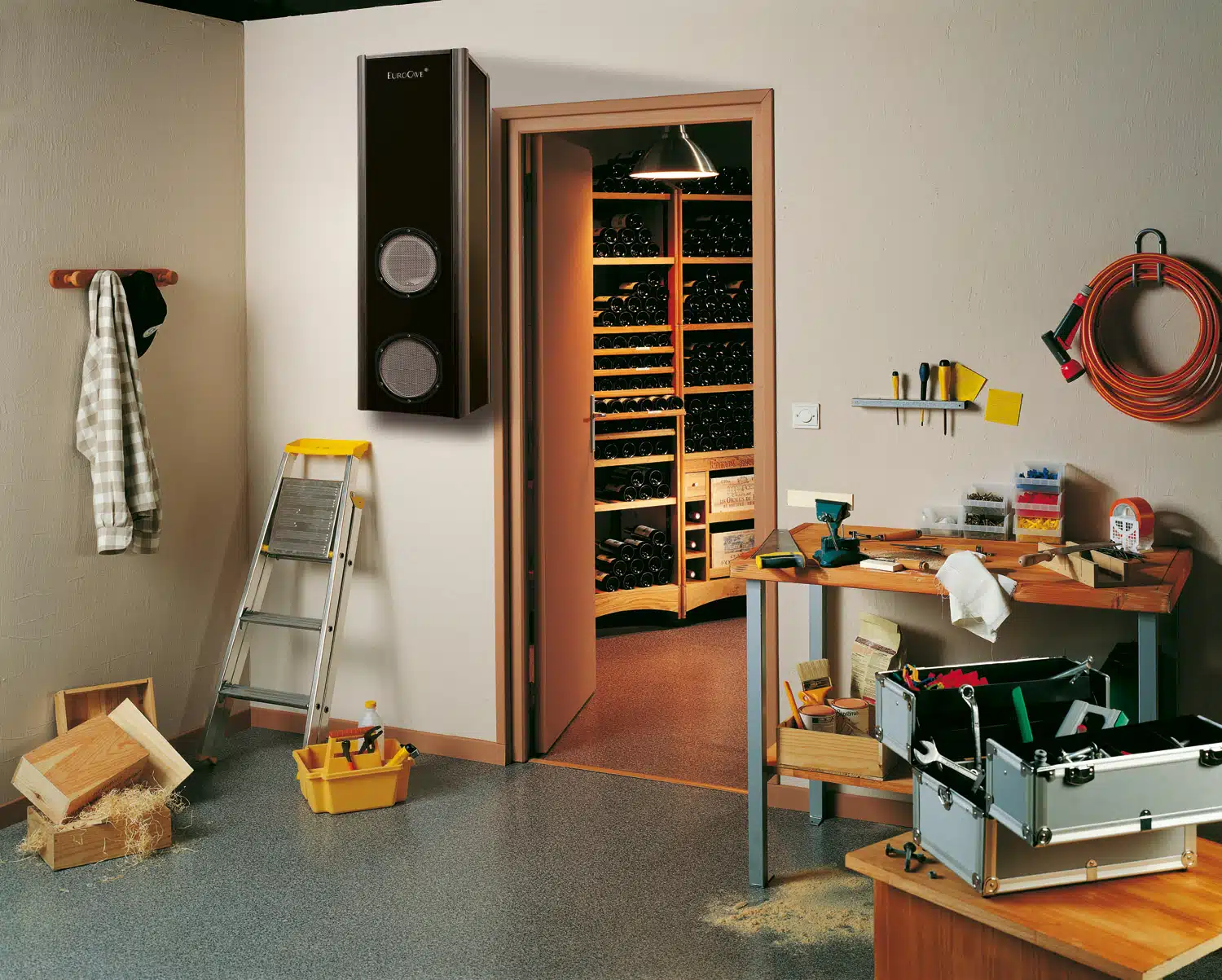
If a wine is to be stored, a number of criteria do need to be met: a constant temperature between 10 and 14° C, humidity between 60 and 75%, dark, free of odors, free of vibrations and lying down. A great solution in the absence of a natural wine cellar is a wine cabinet. A wine cabinet from EuroCave is equipped with a hot and a cold circuit and will mimic the perfect wine storage climate.
Source: de Bruijn Wijnkopers